

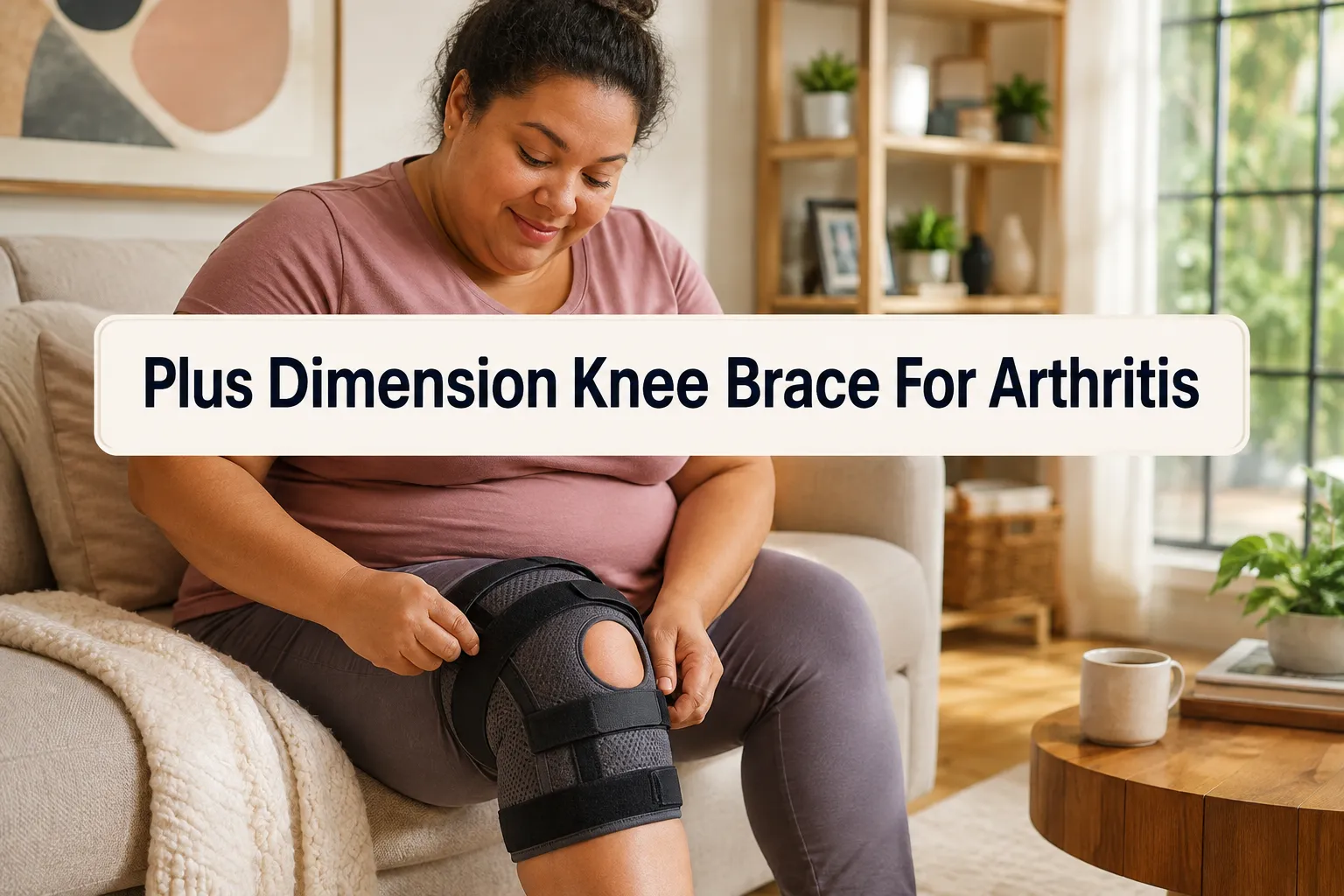
Enhancing Mobility: A Guide to Plus Dimension Knee Brace for Arthritis in 2026 -Over 32.5 million adults in the United States alone grapple with the persistent pain and debilitating effects of osteoarthritis, a condition that frequently targets the knee joint. For individuals with larger body types, finding effective support can be an even greater challenge, often compounded by ill-fitting standard braces. A specialized plus dimension knee brace for arthritis offers a critical solution, providing targeted support, reducing pain, and improving mobility, specifically engineered to accommodate broader anatomies and ensure proper fit and function in 2026.
A plus dimension knee brace for arthritis is specifically designed to provide stability, pain relief, and improved joint function for individuals with larger body types who suffer from knee osteoarthritis. These braces feature extended sizing, reinforced materials, and contoured designs to comfortably accommodate greater circumference and distribute pressure effectively, which is essential for managing arthritis symptoms and promoting active lifestyles.
- Tailored Support: Plus dimension knee braces are engineered for larger anatomies, ensuring a proper, comfortable fit that standard braces cannot provide.
- Pain Reduction: By offloading pressure from affected knee compartments or providing compression, these braces significantly alleviate arthritis pain.
- Improved Mobility: Enhanced stability and reduced pain lead to increased confidence and ability to engage in daily activities and exercise.
- Variety of Types: Options range from compression sleeves for mild support to hinged unloader braces for severe osteoarthritis, catering to diverse needs.
- Material Matters: Look for durable, breathable, and moisture-wicking materials to ensure comfort and prevent skin irritation, especially with extended wear.
- Accurate Measurement is Crucial: Proper measurement of the thigh and calf circumference, along with knee width, is paramount for selecting the correct size and maximizing brace effectiveness.
- Consult a Professional: Always seek guidance from a healthcare provider or physical therapist to determine the most appropriate brace type and ensure correct application.
- Maintenance Extends Life: Regular cleaning and proper care are essential for maintaining the hygiene, effectiveness, and longevity of the knee brace.
What is a Plus Dimension Knee Brace for Arthritis?
A plus dimension knee brace for arthritis is a specialized orthopedic device crafted to provide optimal support and pain relief for individuals with larger body frames who experience knee osteoarthritis. Unlike standard knee braces, these versions account for greater thigh and calf circumferences, ensuring a secure and comfortable fit without pinching, rolling, or slipping, which is vital for effective arthritis management. They are designed to distribute pressure evenly around the joint, reduce strain on damaged cartilage, and enhance overall knee stability.
Understanding the Design and Functionality
These braces incorporate specific design elements to address the unique needs of plus-size individuals. Key features often include:
- Extended Sizing: Available in sizes beyond typical L/XL, often reaching 3XL, 4XL, or custom dimensions, to accommodate wider leg measurements.
- Reinforced Materials: Utilize robust yet breathable fabrics and sturdy components to withstand greater weight-bearing stress and ensure durability.
- Contoured Shapes: Ergonomically designed to conform to the natural curves of a larger leg, preventing discomfort and promoting consistent support.
- Adjustable Strapping: Longer and more adaptable straps with strong closures (velcro, buckles) allow for a personalized, snug fit that can be adjusted throughout the day.
- Non-Slip Elements: Silicone grips or textured internal linings help keep the brace in place during movement, preventing migration down the leg.
Choosing a brace specifically designed for larger dimensions ensures that the therapeutic benefits, such as joint stabilization and pain reduction, are fully realized. An ill-fitting standard brace can exacerbate discomfort, reduce compliance, and offer inadequate support, ultimately hindering arthritis management.
Who Benefits Most from a Plus Dimension Knee Brace for Arthritis?
Individuals who experience knee pain and instability due to osteoarthritis and have a larger body type are the primary beneficiaries of a plus dimension knee brace for arthritis. This includes anyone whose leg circumference exceeds the standard sizing of typical knee braces, leading to discomfort or ineffective support from conventional options. The brace offers targeted assistance, whether the goal is to reduce pain during daily activities, improve function for exercise, or enhance overall quality of life.
Ideal Candidates for Plus-Sized Knee Braces
Several groups of people can find significant relief and functional improvement with these specialized braces:
- Individuals with Moderate to Severe Osteoarthritis: Especially those experiencing consistent pain, swelling, and instability in the knee joint. The brace can help offload pressure from the affected compartment.
- Those with High BMI (Body Mass Index): Excess weight places additional stress on knee joints, accelerating cartilage wear. A robust, well-fitting brace provides crucial external support.
- People Struggling with Mobility: If knee pain limits daily activities like walking, climbing stairs, or standing for prolonged periods, a brace can provide the confidence and support needed to move more freely.
- Patients Avoiding Surgery: For some, a knee brace can be an effective non-surgical intervention to manage symptoms and delay the need for knee replacement surgery.
- Individuals Undergoing Rehabilitation: After injury or surgery, a brace can offer protective support during the recovery phase, allowing for controlled movement and stability.
A crucial decision rule is that if standard-sized knee braces consistently feel too tight, roll down, or fail to provide adequate stability, then exploring a plus dimension option is highly recommended. These braces ensure that patients are not excluded from effective pain management and mobility enhancement due to sizing constraints.
Types of Plus Dimension Knee Braces for Arthritis
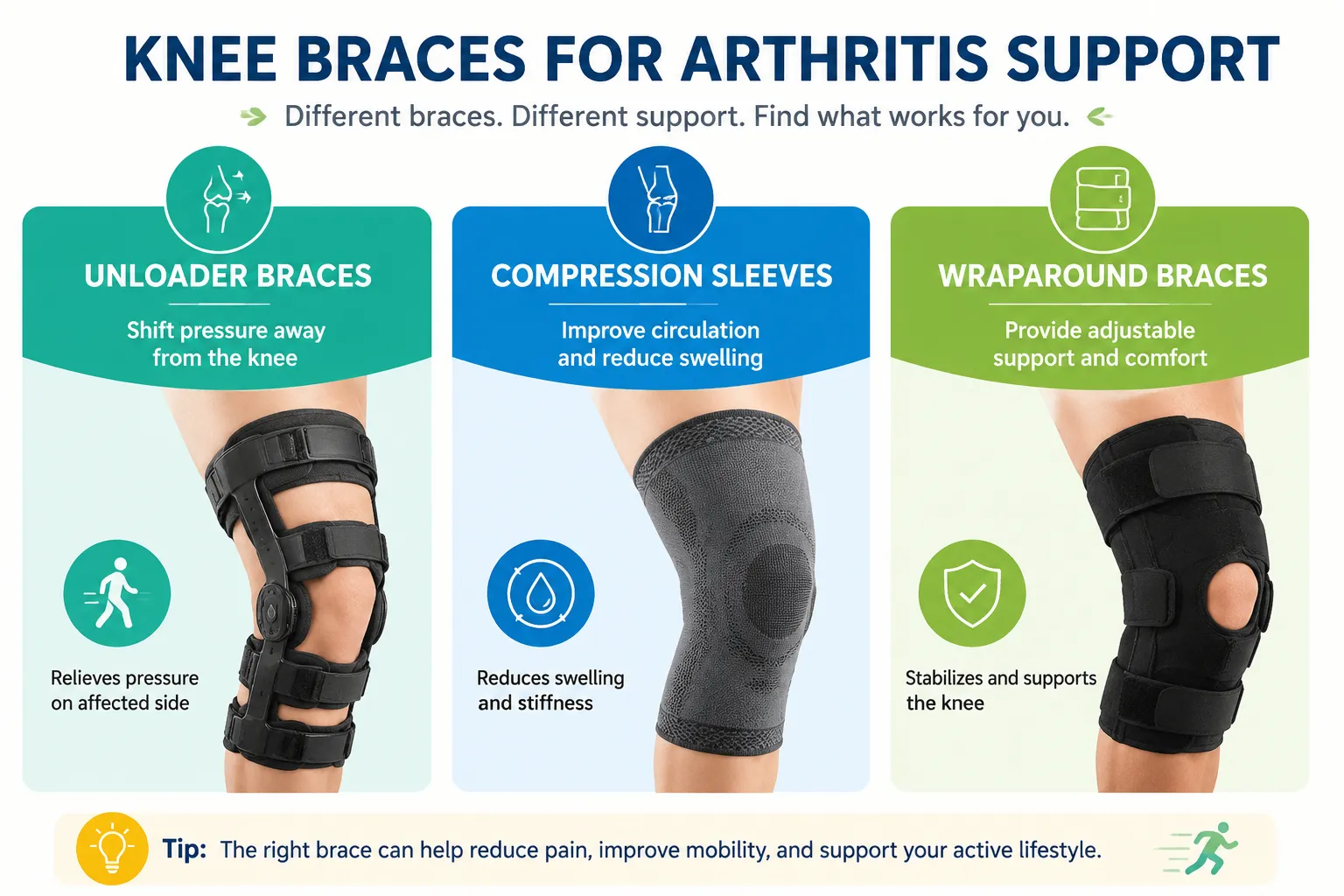
When considering a plus dimension knee brace for arthritis, understanding the different types available is crucial, as each offers distinct benefits tailored to various needs and levels of support. These specialized braces are designed to provide comfort and effectiveness for larger body types, accommodating diverse activity levels and arthritis severity. The primary categories include compression sleeves, hinged braces, unloader braces, and wraparound designs.
Detailed Overview of Brace Types
| Brace Type | Primary Function | Ideal For | Key Features for Plus Dimension |
|---|---|---|---|
| Compression Sleeve | Provides mild support, warmth, and reduces swelling. Improves proprioception. | Mild arthritis, minor pain, swelling, or general athletic support. | Stretchy, breathable fabrics with reinforced edges, non-slip silicone. |
| Hinged Brace | Offers medial/lateral stability, preventing hyperextension or unwanted joint movement. | Moderate to severe instability, post-surgical support, ligament injuries. | Sturdy, adjustable hinges, extended straps, padded interior. |
| Unloader Brace | “Unloads” pressure from the arthritic compartment of the knee to reduce pain. | Unicompartmental osteoarthritis (medial or lateral), significant pain relief. | Customizable fit, lightweight frame, durable strapping, specific sizing. |
| Wraparound Brace | Provides adjustable compression and support, easy to put on and take off. | Mild to moderate arthritis, fluctuating swelling, ease of application. | Wide, adjustable Velcro straps, open patella design, soft fabrics. |
Choosing the Right Type
- For mild pain and swelling: A compression sleeve is often sufficient. It offers warmth and light support, ideal for daily activities or light exercise. Look for options with moisture-wicking properties to enhance comfort.
- For significant instability or post-injury: A hinged brace provides robust support. The hinges mimic the knee’s natural movement while preventing excessive lateral or medial motion, crucial for stability.
- For specific compartment pain: An unloader brace is highly effective if your arthritis is predominantly affecting one side of the knee. These are more complex and often require a professional fitting.
- For ease of use and adjustable support: A wraparound brace can be very practical. Its design allows for simple application and removal, which is beneficial for those with limited dexterity or fluctuating leg swelling.
Understanding these distinctions helps in selecting a plus dimension knee brace that precisely matches your therapeutic needs and activity level, ensuring maximum benefit.
Common Mistakes to Avoid When Choosing a Plus Dimension Knee Brace for Arthritis
Selecting the wrong plus dimension knee brace for arthritis can not only be ineffective but may also exacerbate discomfort or provide inadequate support. Many common pitfalls stem from a misunderstanding of brace types, incorrect sizing, or neglecting material considerations. Avoiding these mistakes is paramount to ensuring the brace contributes positively to pain management and mobility.
Pitfalls in Brace Selection and Usage
- Guessing Your Size: This is perhaps the most frequent and impactful error. Standard clothing sizes do not translate to brace measurements. An ill-fitting brace will either be too tight, causing discomfort and circulation issues, or too loose, rendering it ineffective and prone to slipping.
- Decision Rule: Always measure your thigh circumference (typically 6 inches above the kneecap), calf circumference (6 inches below the kneecap), and knee circumference (around the center of the kneecap) accurately according to the manufacturer’s guidelines.
- Choosing the Wrong Type for Your Condition: Not all knee braces are created equal. A compression sleeve won’t provide sufficient offloading for severe unicompartmental osteoarthritis, just as an unloader brace might be overkill for mild, generalized knee pain.
- Decision Rule: Consult a healthcare professional to determine the exact nature and severity of your arthritis and whether you require compression, stability, or offloading.
- Prioritizing Price Over Quality: While budget is a factor, opting for the cheapest brace often means compromising on materials, durability, and ergonomic design. A poorly constructed brace can quickly wear out or fail to provide consistent support.
- Common Mistake: Buying a brace that claims “one size fits all” or “extra-large” without specific dimension guidelines for plus-size individuals. These rarely offer adequate support or comfort for larger anatomies.
- Ignoring Material Composition: Cheaper materials can lead to skin irritation, excessive sweating, and odors. For a brace worn frequently, material quality is critical for comfort and hygiene.
- Neglecting Adjustability and Ease of Use: A brace that is difficult to put on, take off, or adjust can lead to poor compliance, especially for those with limited hand dexterity.
- Not Considering Activity Level: A brace suitable for sedentary use might not hold up during active rehabilitation or prolonged walking. Your intended use should guide your selection.
By being meticulous about measurements, understanding your specific arthritis needs, and investing in a quality product, you can avoid these common pitfalls and ensure your plus dimension knee brace for arthritis provides optimal support and relief.
How to Properly Measure for a Plus Dimension Knee Brace
Accurate measurement is the single most critical step in selecting a suitable plus dimension knee brace for arthritis, ensuring both comfort and effective support. An improperly sized brace, whether too tight or too loose, will fail to provide the intended therapeutic benefits and can lead to skin irritation, reduced circulation, or ineffective stabilization. Following precise guidelines ensures the brace functions as designed for your unique anatomy.
Step-by-Step Measurement Guide
To accurately measure for a plus dimension knee brace, you will need a flexible tape measure. It’s best to take measurements while standing, if possible, or seated with your knee slightly bent, and ensure the tape measure is snug but not tight against your skin.
- Thigh Circumference:
- Locate the center of your kneecap (patella).
- Measure 6 inches (approximately 15 cm) up your thigh from the center of your kneecap.
- Wrap the tape measure around your thigh at this point. Note the measurement. This is often the most critical measurement for plus dimension sizing.
- Knee Circumference:
- Standing or sitting with your leg straight, wrap the tape measure directly around the center of your kneecap.
- Note this measurement. This helps determine the overall fit around the joint itself.
- Calf Circumference:
- Measure 6 inches (approximately 15 cm) down your calf from the center of your kneecap.
- Wrap the tape measure around your calf at this point. Note the measurement. This ensures the bottom portion of the brace fits securely.
- Knee Width (for some hinged/unloader braces):
- While seated with your knee bent at a 90-degree angle, use a ruler or caliper to measure the width of your knee across the joint. This measurement is less common for compression sleeves but essential for more structured braces.
Tips for Precision and Best Fit
- Repeat Measurements: Take each measurement two to three times to ensure accuracy and consistency.
- Consider Swelling: If your knee often swells, measure when swelling is at its average level, or consider a brace with significant adjustability.
- Manufacturer’s Charts: Always refer to the specific sizing chart provided by the brace manufacturer. Sizing can vary significantly between brands. Do not assume your size based on other clothing or brace purchases.
- Consult a Professional: If unsure, a healthcare provider, physical therapist, or orthopedic technician can provide professional measurements and fitting advice, especially for complex unloader braces.
Proper measurement is the foundation of finding an effective plus dimension knee brace for arthritis. Taking the time to do it correctly will enhance comfort, maximize pain relief, and ensure long-term usability.
The Long-Term Benefits of Using a Plus Dimension Knee Brace for Arthritis
Consistent and appropriate use of a plus dimension knee brace for arthritis offers significant long-term benefits that extend beyond immediate pain relief, encompassing improved physical function, enhanced quality of life, and potentially slowing the progression of joint degeneration. These braces are not merely temporary fixes but crucial components of a comprehensive arthritis management strategy, especially for individuals with larger body types who need robust and well-fitting support.
Sustained Advantages of Brace Usage
- Chronic Pain Management: Regular use can significantly reduce chronic knee pain associated with osteoarthritis. By providing external support and potentially offloading stress from damaged cartilage, the brace helps minimize discomfort during movement and weight-bearing activities. This consistent pain reduction can lead to decreased reliance on pain medication.
- Enhanced Mobility and Functional Independence: With reduced pain and improved stability, individuals can engage more freely in daily activities such as walking, climbing stairs, and standing. This boost in mobility contributes to greater independence and allows participation in light exercises, which are critical for joint health and overall well-being.
- Prevention of Further Joint Damage: By stabilizing the knee joint and reducing abnormal movements, a brace can help protect the remaining cartilage from further wear and tear. Unloader braces, in particular, can redistribute pressure away from the most damaged areas, potentially slowing the progression of osteoarthritis.
- Improved Proprioception: The brace provides tactile feedback to the brain, enhancing proprioception (the body’s awareness of its position in space). This improved awareness can lead to better balance and coordination, reducing the risk of falls, which is especially important for individuals with instability.
- Support for Active Lifestyles: A well-fitting plus dimension knee brace empowers individuals to maintain or adopt a more active lifestyle, which is crucial for managing weight, strengthening muscles around the knee, and improving cardiovascular health. This can create a positive cycle of better health outcomes.
- Psychological Benefits: The confidence gained from having stable and supported knees can reduce anxiety and fear of movement, leading to improved mood and overall mental well-being. Knowing there’s reliable support can encourage greater participation in social and recreational activities.
Investing in a high-quality, properly fitted plus dimension knee brace for arthritis is an investment in long-term health and mobility, offering a pathway to a more active, less painful life.
Features to Look For in a High-Quality Plus Dimension Knee Brace for Arthritis
Selecting a high-quality plus dimension knee brace for arthritis involves a careful evaluation of several key features beyond just size. These attributes ensure optimal comfort, durability, and effectiveness, providing the best possible support and pain relief for individuals with larger body types. Prioritizing these features will lead to a brace that truly aids in managing arthritis symptoms and improving mobility.
Essential Characteristics for an Effective Brace
- Sizing and Adjustability:
- True Plus Sizing: Look for brands that offer specific plus-size charts based on accurate thigh, knee, and calf measurements, not just generic “XXL.”
- Ample Adjustability: Long, strong, and customizable straps (e.g., medical-grade Velcro, buckles) are essential for a snug yet comfortable fit that can be adjusted as swelling fluctuates or during different activities.
- Anti-Migration Elements: Silicone strips, textured linings, or anti-slip bands inside the brace help prevent it from rolling down or shifting during movement.
- Material and Construction:
- Breathable and Moisture-Wicking Fabrics: Materials like perforated neoprene, bamboo fibers, or specialized medical-grade composites prevent skin irritation, excessive sweating, and odor, crucial for extended wear.
- Durable and Lightweight: The brace should be robust enough to provide support without adding excessive bulk or weight, allowing for comfortable, prolonged use. Reinforced stitching and quality hardware (for hinged braces) are indicators of durability.
- Comfortable Padding: Internal padding, especially around hinges or bony prominences, prevents chafing and pressure points.
- Support Level and Type:
- Appropriate Support Mechanism: Ensure the brace type (compression, hinged, unloader, wraparound) matches your specific arthritis needs and activity level, as determined by a healthcare professional.
- Targeted Offloading (for Unloader Braces): If an unloader brace is needed, verify that its design effectively shifts pressure away from the affected knee compartment.
- Stability for Activity: For active individuals, the brace should provide sufficient stability to prevent unwanted knee movements during exercise or walking.
- Ease of Use and Maintenance:
- Simple Application: The brace should be relatively easy to put on and take off, particularly for individuals with limited dexterity. Wraparound designs are often favored for this.
- Washability: Removable liners or machine-washable materials simplify cleaning and hygiene, extending the life of the brace.
- Patella Support (Optional but Recommended):
- An open patella design or a reinforced patella buttress can provide additional support and help track the kneecap correctly, reducing anterior knee pain.
By focusing on these features, individuals can confidently choose a plus dimension knee brace for arthritis that offers superior performance and contributes significantly to their comfort and mobility.
Maintaining Your Plus Dimension Knee Brace for Arthritis
Proper maintenance of your plus dimension knee brace for arthritis is essential to ensure its longevity, hygiene, and continued effectiveness. Regular care prevents the buildup of sweat, oils, and bacteria, which can lead to skin irritation and degradation of the brace materials. Adhering to cleaning guidelines and proper storage practices will maximize the lifespan and therapeutic benefits of your investment.
Essential Care Practices
- Regular Cleaning:
- Frequency: Depending on usage, clean your brace every few days or weekly. If you sweat heavily or use it during vigorous activity, clean it after each use.
- Method: Most fabric braces can be hand-washed with mild soap and lukewarm water. Avoid harsh detergents, bleach, or fabric softeners, as these can damage elastic fibers and adhesives.
- Rinse Thoroughly: Ensure all soap residue is rinsed out to prevent skin irritation.
- Hinges and Hard Components: For braces with metal hinges or rigid plastic parts, wipe these components clean with a damp cloth. Check for debris in the hinge mechanisms and ensure they move freely.
- Avoid Submerging: If your brace has non-removable electronic components or intricate mechanisms, avoid submerging it in water. Follow manufacturer-specific cleaning instructions carefully.
- Drying:
- Air Dry Only: Always air dry your knee brace completely. Lay it flat or hang it in a well-ventilated area away from direct sunlight or heat sources.
- Never Machine Dry: High heat from a dryer can damage elastic, Velcro, and plastic components, leading to shrinkage or warping.
- Storage:
- Clean and Dry: Ensure the brace is completely dry before storing it to prevent mildew and odor.
- Flat or Hung: Store the brace flat or hung to maintain its shape. Avoid crushing it under other items.
- Secure Velcro: Fasten all Velcro straps before storing to prevent them from snagging on other fabrics or collecting lint.
- Inspection for Wear and Tear:
- Routine Checks: Periodically inspect your brace for signs of wear, such as fraying seams, stretched elastic, weakened Velcro, or damage to hinges and straps.
- Timely Replacement: If components are significantly worn or damaged, the brace may no longer provide adequate support and should be repaired or replaced. Attempting to use a compromised brace can be ineffective or even harmful.
By diligently following these maintenance steps, you can ensure your plus dimension knee brace for arthritis remains a reliable and effective tool in your long-term arthritis management strategy.
When to Consult a Professional About Your Knee Brace
While a plus dimension knee brace for arthritis can be an invaluable tool for managing pain and improving mobility, knowing when to consult a healthcare professional is crucial. Self-selection and improper use can lead to suboptimal outcomes, or even exacerbate existing conditions. A doctor, physical therapist, or orthopedic specialist can provide personalized guidance, especially for complex cases or if initial brace use isn’t yielding expected results.
Key Indicators for Professional Consultation
- Initial Diagnosis and Recommendation: Before purchasing any knee brace, especially an unloader or hinged brace, it is highly advisable to consult a physician. They can accurately diagnose the type and severity of your arthritis and recommend the most appropriate brace type and level of support.
- Persistent or Worsening Pain: If your pain does not improve, or if it worsens despite consistent brace use, seek medical attention. This could indicate an incorrect brace type, improper fit, or a change in your underlying condition.
- New Symptoms or Discomfort: Any new symptoms such as increased swelling, skin irritation, numbness, tingling, or changes in skin color around the brace area warrant immediate consultation. These could signal a circulation issue, nerve compression, or an allergic reaction.
- Difficulty with Brace Fit or Application: If you are struggling to get the brace to fit correctly, if it constantly slips, bunches, or feels uncomfortable, a professional can assist with proper sizing, adjustment, or recommend an alternative design.
- Uncertainty About Activity Levels: If you are unsure what activities are safe or beneficial while wearing your brace, a physical therapist can provide tailored exercise programs and guidance on integrating the brace into your daily routine and rehabilitation.
- Post-Surgical Use: For individuals recovering from knee surgery, a physician or surgeon will prescribe a specific brace and provide instructions on its use, duration, and care. Do not self-prescribe a brace for post-operative recovery.
- Considering Advanced Braces: Unloader braces, which specifically shift weight off a damaged part of the knee, are often prescribed after a thorough evaluation, as their effectiveness depends on precise alignment and fit. These should not be chosen without professional guidance.
- Brace Wear and Tear: If your brace is showing significant signs of wear and tear, or if you suspect it’s no longer providing adequate support, consult a professional to discuss repair or replacement options.
Always prioritize professional medical advice when dealing with chronic conditions like arthritis. A specialist can help you maximize the benefits of a plus dimension knee brace and ensure it complements your overall treatment plan.
The Cost of Plus Dimension Knee Braces for Arthritis: What to Expect
The cost of a plus dimension knee brace for arthritis can vary significantly based on the type, brand, materials, and level of customization required. While some basic compression sleeves are relatively inexpensive, more advanced hinged or unloader braces designed for larger anatomies will represent a more substantial investment. Understanding the typical price ranges can help individuals budget effectively for this crucial aspect of arthritis management.
Price Range and Factors Influencing Cost
| Brace Type | Estimated Price Range (USD, 2026) | Key Influencing Factors |
|---|---|---|
| Compression Sleeves | $20 – $80 | Material quality, brand reputation, additional features (e.g., copper infusion, gel pads). |
| Wraparound Braces | $40 – $120 | Quality of Velcro, breathability, padding, brand. |
| Hinged Braces | $80 – $300 | Material of hinges (metal/plastic), adjustability, padding, brand, and design complexity. |
| Unloader Braces | $400 – $1,500+ | Custom vs. off-the-shelf, specific offloading mechanism, lightweight materials, advanced adjustability, professional fitting requirements. |
Factors that Drive Up Cost:
- Customization: Custom-fit unloader braces, molded to an individual’s specific leg contours, are significantly more expensive than off-the-shelf options but offer superior fit and effectiveness.
- Advanced Materials: Lightweight, medical-grade aluminum or carbon fiber frames (common in unloader braces) increase durability and reduce bulk but come at a higher price.
- Brand Reputation and R&D: Established orthopedic brands often invest heavily in research and development, justifying higher price points for their patented designs and proven effectiveness.
- Professional Fitting: The cost of an unloader brace often includes professional measurement, fitting, and adjustment by an orthopedic specialist, which ensures optimal performance.
- Insurance Coverage: Many health insurance plans, including Medicare, may cover a portion or the full cost of certain types of knee braces, particularly prescribed hinged or unloader braces, if deemed medically necessary. It is crucial to check with your insurance provider.
- Online vs. Retail: While online retailers may offer lower prices, purchasing from a specialized medical supply store or through a healthcare provider ensures access to expert advice and proper fitting, which is invaluable for plus dimension braces.
While the initial outlay for a high-quality plus dimension knee brace can be significant, considering its potential to reduce pain, improve mobility, and potentially delay more invasive treatments, it often represents a worthwhile investment in long-term health and quality of life.
Frequently Asked Questions About Plus Dimension Knee Braces for Arthritis
Q1: Can a plus dimension knee brace truly reduce arthritis pain?
A1: Yes, a well-fitted plus dimension knee brace can significantly reduce arthritis pain by providing support, stabilizing the joint, and in the case of unloader braces, by shifting pressure away from the damaged cartilage.
Q2: How do I know if I need a plus dimension knee brace instead of a standard size?
A2: You likely need a plus dimension brace if standard-sized braces feel too tight, roll down, pinch your skin, or do not adequately cover your thigh or calf circumference, indicating an insufficient fit for your larger anatomy.
Q3: Are plus dimension knee braces comfortable to wear all day?
A3: High-quality plus dimension knee braces are designed with breathable, moisture-wicking materials and proper padding to maximize comfort for extended wear, though initial adjustment periods are common.
Q4: Can I exercise while wearing a plus dimension knee brace for arthritis?
A4: Many individuals can and should exercise with their brace, as it provides support and reduces pain during physical activity. Consult your healthcare provider or physical therapist for activity-specific recommendations.
Q5: How often should I clean my plus dimension knee brace?
A5: It is recommended to clean your brace every few days or weekly, or after each particularly sweaty or vigorous use, using mild soap and lukewarm water, and then air drying completely.
Q6: Will my insurance cover the cost of a plus dimension knee brace?
A6: Many health insurance plans, including Medicare, may cover medically necessary prescribed knee braces. It is essential to check with your specific insurance provider for coverage details and requirements.
Q7: Can a knee brace prevent arthritis from getting worse?
A7: While a brace cannot cure arthritis, it can help manage symptoms, improve stability, and potentially slow the progression of joint damage by reducing stress on compromised areas, especially with unloader braces.
Q8: Is it safe to sleep with a knee brace on?
A8: Generally, it is not recommended to sleep with a knee brace unless specifically advised by a healthcare professional, as prolonged immobilization or pressure can restrict circulation during sleep.
Q9: What material is best for a plus dimension knee brace?
A9: The best materials are often a combination of breathable, moisture-wicking fabrics like perforated neoprene or bamboo blends for comfort, with sturdy, lightweight components (e.g., aluminum, carbon fiber) for structural support.
Q10: How long does a plus dimension knee brace typically last?
A10: The lifespan varies with quality, usage, and maintenance, but a well-cared-for brace can last anywhere from six months to several years. Regular inspection for wear and tear is crucial.
Q11: Can I buy a custom plus dimension knee brace online?
A11: While some companies offer remote sizing guides for semi-customizable braces, truly custom-molded braces typically require professional measurement and fitting by a certified orthotist or medical professional to ensure accuracy.
Conclusion
Navigating the challenges of arthritis, particularly for individuals with larger body types, requires thoughtful and effective solutions. A specialized plus dimension knee brace for arthritis stands out as a critical tool in managing pain, enhancing mobility, and improving the overall quality of life. These braces are not simply enlarged versions of standard supports; they are meticulously designed to accommodate greater circumferences, distribute pressure optimally, and provide robust stability without compromising comfort.
From various types like compression sleeves to advanced unloader braces, the market offers diverse options tailored to different levels of support and severity of arthritis. The key to maximizing their benefits lies in accurate measurement, understanding the specific needs of your condition, and prioritizing high-quality, breathable materials. Avoiding common mistakes such as guessing your size or choosing an inappropriate brace type is paramount. Furthermore, consistent maintenance ensures the longevity and hygiene of your brace, preserving your investment in better health.
Ultimately, integrating a properly selected and fitted plus dimension knee brace into a comprehensive arthritis management plan, ideally with guidance from a healthcare professional, can significantly empower individuals to regain confidence in movement, reduce their reliance on pain medication, and lead a more active and fulfilling life in 2026. This targeted support ensures that everyone, regardless of body size, has access to the comfort and stability needed to conquer the daily challenges of knee arthritis.

Share this:

Discover more from inazifnani
Subscribe to get the latest posts sent to your email.